Can PCOS Cause Infertility? Complete Guide to Fertility, Ovulation, and Pregnancy
Short answer
One of the most common concerns among women diagnosed with Polycystic Ovary Syndrome (PCOS) is whether they can get pregnant naturally. PCOS affects millions of women worldwide and is considered one of the leading causes of ovulatory infertility.
Introduction
One of the most common concerns among women diagnosed with Polycystic Ovary Syndrome (PCOS) is whether they can get pregnant naturally. PCOS affects millions of women worldwide and is considered one of the leading causes of ovulatory infertility.
The good news is that having PCOS does not mean pregnancy is impossible. Many women successfully conceive through lifestyle changes, medical treatment, and fertility support when needed.
This guide explains how PCOS affects fertility, signs of ovulation problems, available treatments, and practical steps to improve conception chances.
यह भी पढ़ें: Temporary, Affordable, and Flexible: Exploring the Benefits of Short-Term Health Plans
Table of Contents
What is PCOS?
PCOS is a hormonal disorder that affects the ovaries and reproductive system.
Women with PCOS often experience:
- Irregular menstrual cycles
- Hormonal imbalance
- Excess androgen production
- Insulin resistance
- Difficulty ovulating
- Weight gain
- Acne and hair growth changes
Since ovulation is essential for pregnancy, disruptions caused by PCOS can directly affect fertility.
How Does PCOS Affect Fertility?
Irregular Ovulation
The primary reason PCOS impacts fertility is irregular ovulation.
Normally, an egg is released every month. In women with PCOS, hormonal imbalances may prevent eggs from maturing properly or being released at all.
यह भी पढ़ें: Unlocking Your Birth Chart: A Beginner’s Guide to Identifying and Interpreting Yogas
Without ovulation, pregnancy cannot occur naturally.
Hormonal Imbalance
Elevated androgen levels may interfere with:
- Egg development
- Ovulation
- Menstrual cycle regulation
- Reproductive hormone balance
Insulin Resistance
High insulin levels may stimulate excess androgen production, creating additional challenges for ovulation and fertility.
Signs PCOS May Be Affecting Fertility
Women trying to conceive may notice:
- Irregular periods
- Missing menstrual cycles
- Long cycles exceeding 35 days
- No detectable ovulation
- Difficulty conceiving after several months
- Unpredictable fertile windows
Tracking cycles and ovulation can provide important fertility insights.
यह भी पढ़ें: इस एक चाय ने 30 दिनों में 8 KG वजन घटा दिया! जानिए वह मैजिक ब्लेंड जो डॉक्टर्स भी रिकमेंड करते हैं! 🍵✨
Can Women with PCOS Get Pregnant Naturally?
Yes.
Many women with PCOS conceive naturally, especially after improving lifestyle factors that influence hormone balance and ovulation.
Factors that improve natural fertility include:
- Maintaining healthy body weight
- Improving insulin sensitivity
- Eating a balanced diet
- Exercising regularly
- Managing stress
- Getting adequate sleep
Even modest lifestyle improvements may significantly improve ovulation frequency.
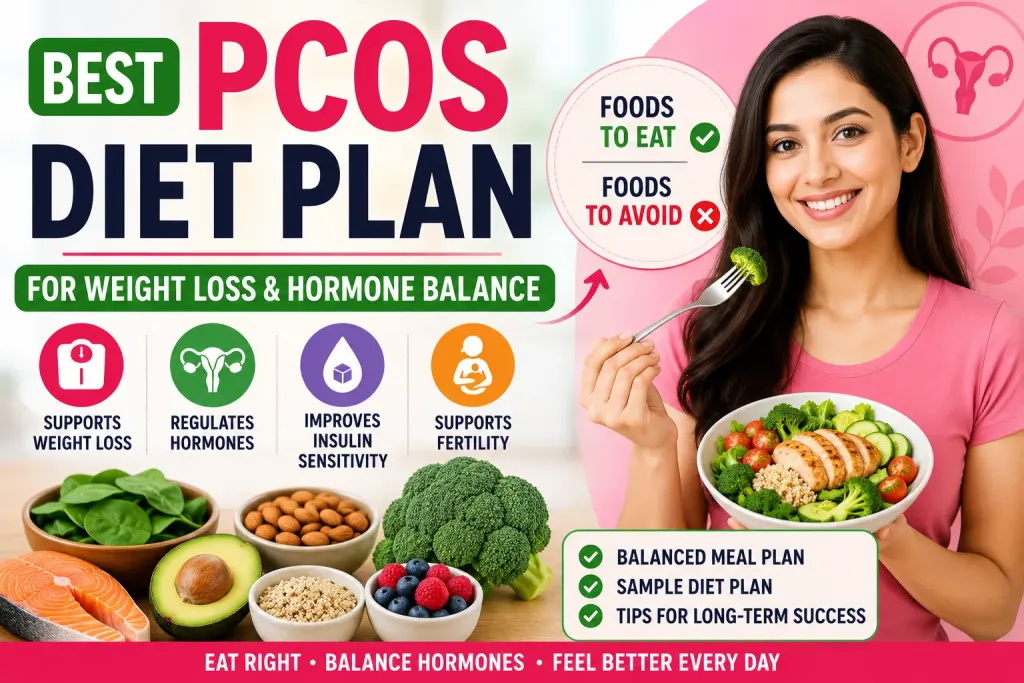
Best Diet for PCOS Fertility
Nutrition plays a major role in reproductive health.
यह भी पढ़ें: Pranic Healing: Ancient Energy Modality for Wellness
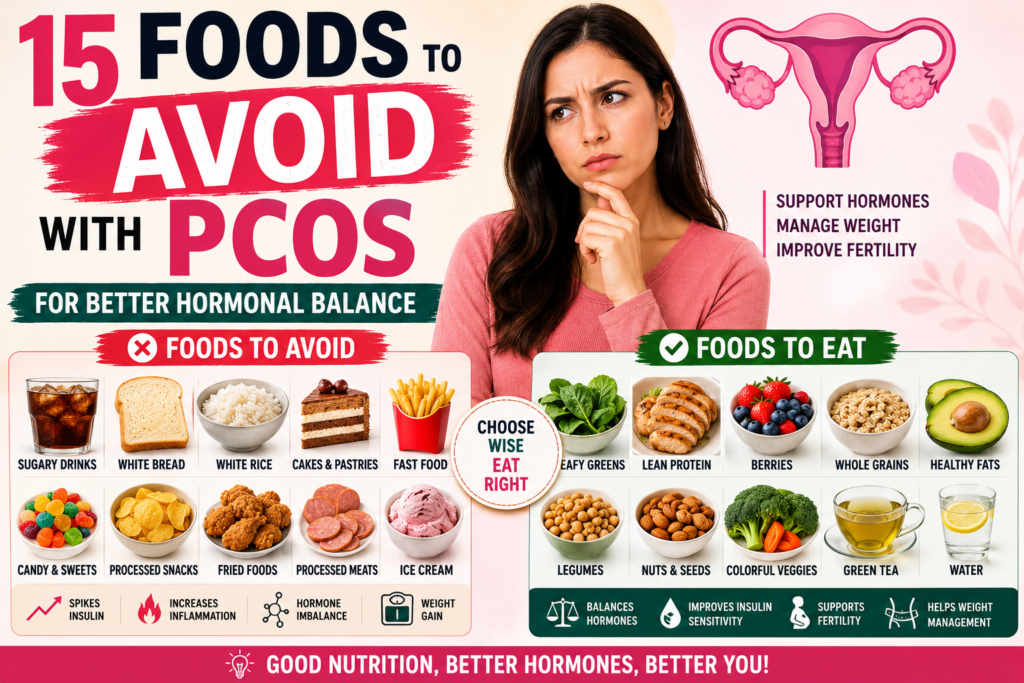
Foods That Support Fertility
- Leafy green vegetables
- Berries
- Lean proteins
- Eggs
- Fish rich in omega-3 fats
- Whole grains
- Nuts and seeds
- Legumes
Foods to Limit
- Sugary beverages
- Refined carbohydrates
- Processed snacks
- Excess fast food
- Trans fats
Balanced nutrition may support hormonal regulation and improve reproductive outcomes.
Weight Loss and Fertility in PCOS
For overweight individuals, even a small reduction in body weight may improve ovulation.
Research suggests that losing approximately 5–10% of body weight may help:
- Restore menstrual regularity
- Improve insulin sensitivity
- Enhance ovulation
- Increase conception chances
Weight loss should always be approached safely and sustainably.
Medical Treatments for PCOS Fertility
Ovulation Induction Medications
Doctors may prescribe medications designed to stimulate ovulation.
These treatments help the ovaries release mature eggs during the menstrual cycle.
Hormonal Treatments
Certain therapies may help regulate reproductive hormones and improve fertility outcomes.
Insulin-Sensitizing Medications
Improving insulin function may support more regular ovulation in some women.
Fertility Specialist Support
If pregnancy does not occur after several months of trying, a reproductive specialist can provide advanced evaluation and treatment options.
Lifestyle Changes That Improve Fertility
Exercise Regularly
Moderate physical activity may:
- Improve insulin sensitivity
- Support healthy weight management
- Enhance hormonal balance
Prioritize Sleep
Poor sleep can negatively affect reproductive hormones.
Aim for:
- Consistent sleep schedules
- 7–9 hours of quality sleep nightly
Reduce Stress
High stress levels may influence reproductive hormone function.
Helpful techniques include:
- Meditation
- Yoga
- Deep breathing exercises
- Nature walks
Ovulation Tracking with PCOS
Tracking ovulation can be challenging because cycles are often irregular.
Useful methods include:
Basal Body Temperature
Daily temperature monitoring may reveal ovulation patterns.
Ovulation Predictor Kits
These tests detect hormonal changes associated with ovulation.
Fertility Apps
Cycle-tracking apps can help identify patterns over time.
Medical Monitoring
Healthcare providers can use ultrasound and hormone testing to confirm ovulation.
Pregnancy Risks Associated with PCOS
Most women with PCOS experience healthy pregnancies.
However, some risks may be slightly higher, including:
- Gestational diabetes
- High blood pressure
- Pregnancy complications related to obesity
- Preterm birth
Early prenatal care helps manage these risks effectively.
Frequently Asked Questions
Can PCOS cause permanent infertility?
No. PCOS can make conception more difficult, but many women successfully become pregnant naturally or with medical support.
How long does it take to get pregnant with PCOS?
Every woman is different. Factors such as age, weight, ovulation frequency, and overall health influence conception timelines.
Does losing weight improve fertility with PCOS?
For many women, moderate weight loss may improve ovulation and increase pregnancy chances.
Is IVF necessary for PCOS?
Not always. Many women conceive naturally or with less invasive fertility treatments before IVF becomes necessary.
Can PCOS affect egg quality?
PCOS primarily affects ovulation, although reproductive hormone imbalances may influence overall fertility in some cases.
Conclusion
PCOS is one of the most common causes of ovulatory infertility, but it does not mean pregnancy is out of reach. Through healthy lifestyle changes, proper medical care, fertility monitoring, and individualized treatment plans, many women with PCOS successfully conceive and have healthy pregnancies.
Understanding how PCOS affects ovulation and reproductive health is the first step toward improving fertility outcomes and achieving pregnancy goals.